
How Can I Teach My Child Empathy?
How Can I Teach My Child Empathy?
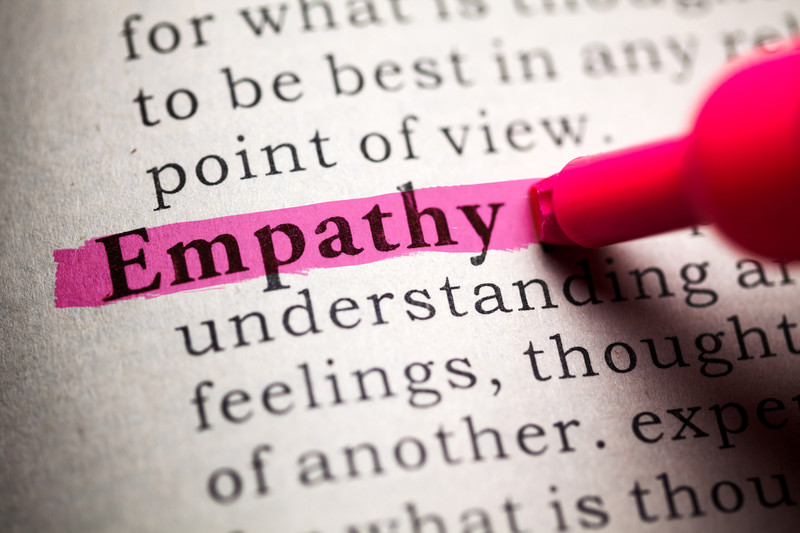
Empathy is the ability to put oneself in another person’s shoes. It’s being able to understand and be sensitive to people’s feelings whether they are strangers, friends or family members. With empathy comes gratitude, hope and compassionate for others. It’s important for you to start training your child early enough how to tune in to other people’s emotions. Children need to know that they can consider people’s feelings other than just their own. If you would like to make a conscious effort to boost such positive experiences for your young one, below are a few tips to get it done:
Take notice of everyone around you
When you are rude to the waiter when he/she brings the wrong order, understand that your child is likely to take notice. One of the best ways to teach our kids anything is by being an example. So be understanding in all these situations in the presence of your child.
Write ‘thank-you’ notes together
It’s important for children to learn how to show gratitude to others. Convey to your child that the recipient of that note would feel happy when they receive it. Let your child know that you are doing this to make the person feel appreciated.
Stay on lesson
Remember that kids watch your every move. You need to be consistent when it comes to displaying empathy to others. This could mean watching how you communicate as parents and apologizing in front of the kids if you say hurtful things to each other.
Emotional reflection
Make it a tradition to talk and discuss together during dinner. You can start by allowing each child to appreciate something good that was done for them that day. This emotional reflection will allow your child to feel loved and cared for which gives him/her room to feel the same for others.
Understand your child’s needs
Sometimes your child will be a little grumpy just because she/he is sleepy or hungry. It is important to show her/him that you acknowledge how they’re feeling. Don’t be quick to put off your child when she/he acts up. Be calm and show understanding of what they’re going through.
Volunteer with your child
It’s important for your child to know the harsh reality as soon as possible. It could mean taking them to the homeless shelter to help in serving food every Christmas. Acts like this will show kids that they have been blessed and are required to help others. Children need to see that helping the needy is a responsibility and not something they can choose not to do.
Expose them to life’s differences
Present kids with an opportunity to encounter people who are different. For instance, taking your kids to interact with other children who have special needs will help them to know how to handle someone who is not exactly like them even as they grow up. Children need to be shown that there are other kids with serious medical issues and need to be shown empathy. Talk to your kids regarding this before you decide to take them.
Dr. Eric Nach, Ph.D., M.Ed., A.S.D. Cert. Developmental and Behavioral Specialist and Associates
Info@SupportForStudentsGrowthCenter.com www.SupportForStudentsGrowthCenter.com